
Detecting the Hidden Foe: ASEAN Coalition Called to Combat Extrapulmonary Tuberculosis
11/18/20253 min read
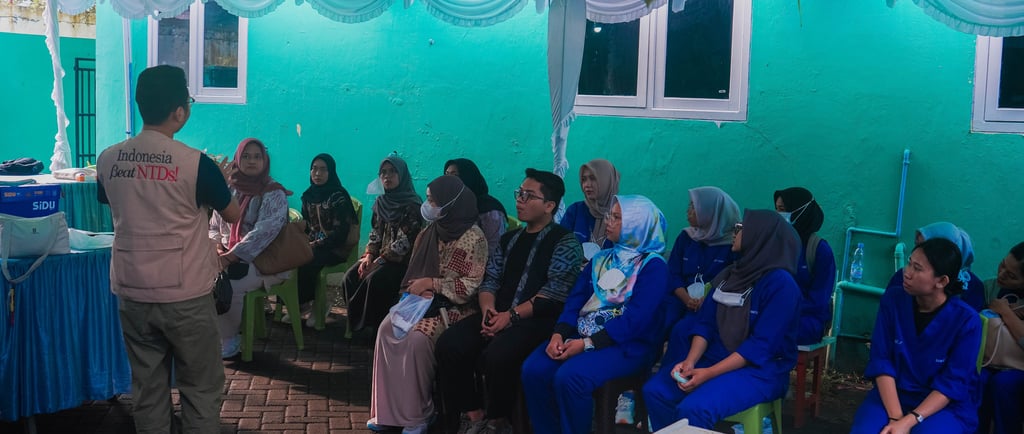
ASEAN4TB 2025, In a collective effort to eliminate Tuberculosis (TB) by 2030, ASEAN nations are now facing a more covert adversary: Extrapulmonary Tuberculosis (EPTB). This type of TB attacks organs outside the lungs (such as lymph nodes, bones, brain, and kidneys), complicating diagnosis and often escaping national TB programs that generally focus on pulmonary TB (PTB).
Regional health experts are calling for an ASEAN Regional Coalition focused on EPTB to close the gaps in diagnosis, treatment, and case reporting.
1. EPTB: The Silent Threat in Southeast Asia
Extrapulmonary Tuberculosis (EPTB) is estimated to account for about 15% of the total global TB cases (WHO, 2023), but its proportion can spike significantly in HIV co-infected populations, reaching up to 50% or more (Singh et al., 2018). In the ASEAN region, studies indicate that EPTB represents a significant public health burden, with reported cases in some countries (such as Indonesia and Brunei Darussalam) reaching approximately 19% of the total diagnosed TB cases (Chaw et al., 2023; Asyary, 2019).
Key Challenges:
Difficult Diagnosis: EPTB is often called a "great imitator" because its symptoms mimic other diseases, including malignancies (cancer), requiring invasive or complex procedures to obtain diagnostic samples.
Program Focus: National TB programs in ASEAN are still largely focused on Pulmonary TB (PTB) due to its ease of transmission and larger case burden, creating gaps in EPTB surveillance and management, particularly among women and younger age groups (Hasan, 2016).
2. The Need for a Regional Coalition
Because EPTB requires a multidisciplinary approach involving various specialists—not just pulmonologists—the call for an ASEAN Coalition aims to achieve:
Standardization of Diagnostic Guidelines: Harmonizing EPTB diagnostic criteria across member states, reducing variations that currently complicate reporting and epidemiological surveillance (Kadariswantiningsih et al., 2025).
Strengthening Laboratory Capacity: Improving the ability of ASEAN laboratories to identify TB from non-pulmonary specimens (such as cerebrospinal fluid, biopsies, or lymph node aspirates).
Increased Clinical Awareness: Engaging more non-pulmonary health professionals (such as surgeons, pediatricians, and neurologists) in recognizing and referring to EPTB cases.
National TB control programs are heavily focused on pulmonary TB. This creates gaps in EPTB surveillance, diagnosis, and studies, which is keenly felt in South and Southeast Asia, necessitating a greater focus on EPTB in women to address the current surveillance and knowledge gaps (Hasan et al., 2016).
3. Future Direction: An Integrated Response
An EPTB Coalition in ASEAN can leverage existing platforms, such as the Airborne Infection Defence Platform (AIDP), which was launched to strengthen the response to airborne respiratory infections, including TB (VietnamPlus, 2024).
Proposed next steps include:
Cross-Border Training: Conducting joint training for clinicians and pathologists from ASEAN countries on the use of more sophisticated EPTB diagnostic techniques (e.g., molecular-based tests).
EPTB Data Integration: Specifically incorporating EPTB data into national and regional surveillance systems to obtain a more accurate epidemiological picture.
With integrated and collaborative action, ASEAN can effectively diagnose and treat this "hidden foe," ensuring that all forms of TB are controlled and contributing to the regional TB elimination target by 2030.
References
Hasan, R., Mahmood, S. F., & Mubeen, H. (2016). Extrapulmonary Tuberculosis Among Females in South Asia—gap Analysis. International Journal of Mycobacteriology, 5(4), 392–399.
Asyary, A. (2019). Extrapulmonary Tuberculosis in Indonesia. Jump - Health : Journal of Ultimate Public Health.
Chaw, L., Salleh, L. M., Hamid, R. A., & Thu, K. (2023). Epidemiology of Extrapulmonary Tuberculosis in Brunei Darussalam: A retrospective cohort study. medRxiv (Preprint). https://doi.org/10.1101/2022.11.21.22282609
VietnamPlus. (2024, Agustus 1). ASEAN launches Airborne Infection Defence Platform. VietnamPlus. Diambil dari https://en.vietnamplus.vn/asean-launches-airborne-infection-defence-platform-post295811.vnp
World Health Organization. Global Tuberculosis Report 2023. Geneva: World Health Organization; 2023.
Singh K, Kumar R, Sharma V, Singh K. Extrapulmonary tuberculosis in HIV-infected patients: a systematic review. Int J Tuberc Lung Dis. 2018;22(2):161–168.
Kadariswantiningsih, I. N., Ramadhan, R. N., & Rampengan, D. D. C. H. (2025). Prevalence of extrapulmonary tuberculosis in Indonesia: Protocol for systematic review and meta-analysis. BMJ Open, 15(5), Article e098140. https://doi.org/10.1136/bmjopen-2024-098140
Get in Touch
pr@asean4tb.org
Jl. Balai Pustaka Barat 358E, Rawamangun, Pulo Gadung, Jakarta Timur, 13220
ASEAN4TB Head Office
Copyright 2025 ASEAN4TB I All Rights Reserved