
Active Case Finding: Lessons and the Future Direction in ASEAN's Fight to Eliminate TB
11/18/20252 min read
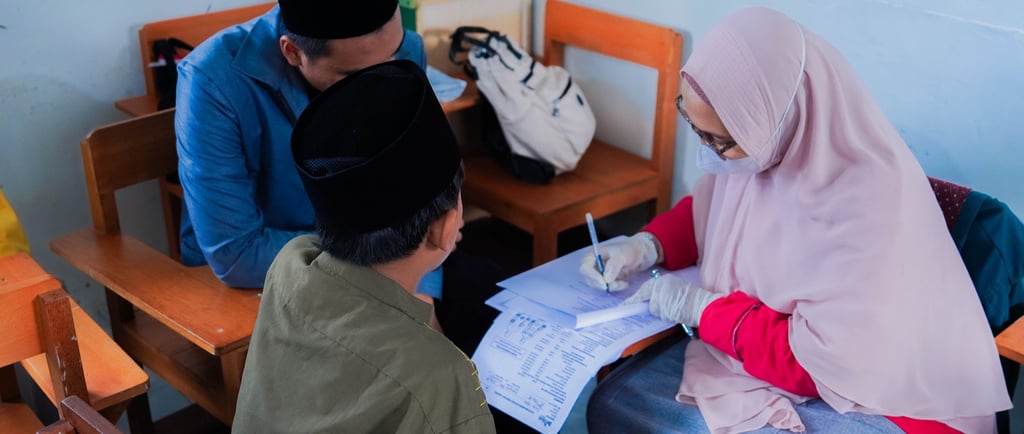
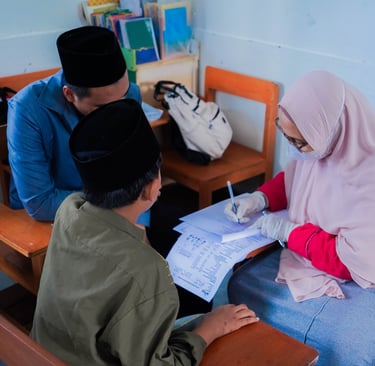
ASEAN4TB 2025, In the face of the monumental challenge posed by Tuberculosis (TB), the ASEAN region is now focusing on an in-depth evaluation of its Active Case Finding (ACF) programs. Aiming for global TB elimination by 2030, Southeast Asian nations are leveraging lessons learned from previous ACF implementations to design more integrated and sustainable strategies for the future.
1. Evaluating ACF Performance in ASEAN: Moving Beyond Passive Methods
Historically, most TB case detection relied on Passive Case Finding (PCF). However, following the World Health Organization's (WHO) finding that the Southeast Asia region accounts for approximately 45% of new global TB cases (WHO SEARO, 2023), the ACF program has been accelerated as the most promising intervention.
Evaluations show that ACF, which involves systematic screening in high-risk communities, is highly effective at finding individuals with asymptomatic TB or those with limited access to health services.
Active case finding has significantly boosted case detection by up to 2.5 times compared to passive methods in trials in Vietnam, demonstrating ACF's potential to close the case detection gap. Key lessons underscore the need for more specific population targeting and the use of efficient diagnostic tools such as mobile X-ray and TCM (NHMRC, 2020).
2. Future Direction: Integration and Sustainability
Moving forward, the ACF strategy in the ASEAN region will not just be about finding cases, but also ensuring program sustainability and integration.
Integration of Multi-Disease Screening: The future direction of ACF includes integrating TB screening with screening for other diseases, such as diabetes and HIV, which are TB risk factors. This strategy leverages existing resources and reduces the stigma that might arise if screening were focused solely on TB (WHO, 2021).
Leveraging Artificial Intelligence (AI): Several countries are starting to explore the use of AI for rapid interpretation of chest X-rays during ACF activities. AI can enhance the speed and accuracy of on-site screening—a crucial innovation for activities in remote areas.
Strengthening Digital Referral Systems: Ensuring that every case detected through ACF is immediately followed up with treatment. Research indicates that the failure of TB patient follow-up remains a challenge in the ASEAN region, where digital referral systems can play a vital role (Shanmuham et al., 2022).
3. Challenges That Must Be Overcome
Despite its effectiveness, ACF implementation faces similar challenges across ASEAN.
Stigma and Social Isolation: This remains a major barrier to community participation. Future strategies must involve community health workers and local leaders for more massive education.
Funding Sustainability: Many ACF programs depend on external donor funding. The way forward requires a greater budgetary commitment from national governments to ensure programs continue after donor funds expire.
To achieve the 2030 TB elimination goal, ACF must be considered as an integral, not incidental, part of national TB programs. The sustainability and cost-effectiveness of the program heavily rely on strengthening primary healthcare systems that can accommodate and continue screening efforts routinely (WHO, 2021).
4. Shared Commitment Towards 2030
The lessons from ACF implementation in ASEAN affirm that active case finding is the right path. By aligning technological innovation and community strengthening, the region hopes to transform TB from a major threat into a completely controlled health issue before 2030.
References
Shanmuham, V., Shetty, J., & Naik, V. (2022). Incidence of tuberculosis in the association of South-East Asia Nation (ASEAN) countries and its relation with health expenditure: a secondary data analysis.
Australian National Health and Medical Research Council (NHMRC). (2020). Tuberculosis control in the South-East Asian region: Case Study. NHMRC.
WHO. (2021). Optimizing Active Case-finding for Tuberculosis: Implementation Lessons from South-East Asia. World Health Organization Regional Office for South-East Asia.
WHO South-East Asia Regional Office (WHO SEARO). (2023). Tuberculosis SEARO. World Health Organization.
Get in Touch
pr@asean4tb.org
Jl. Balai Pustaka Barat 358E, Rawamangun, Pulo Gadung, Jakarta Timur, 13220
ASEAN4TB Head Office
Copyright 2025 ASEAN4TB I All Rights Reserved